WBO Orders Lopez to Defend Against Catterall — What a Mandate Actually Buys You
The WBO has ordered Lopez to face Catterall next; here's what a mandatory title shot actually forces a champion to do.
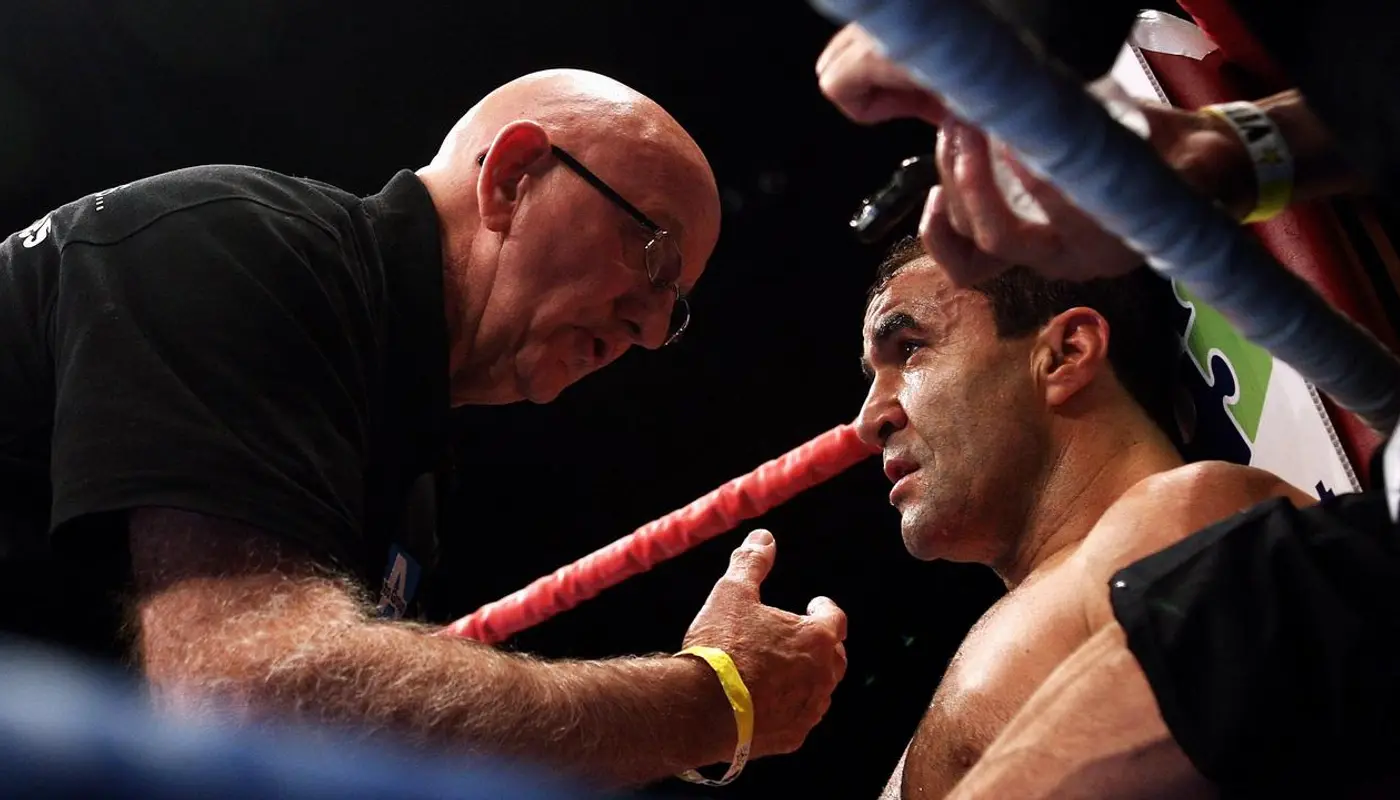
Jack Catterall has been ordered into a world title fight against Lopez, the BBC reports, putting him one step from the shot he lost in 2022. The headline is straightforward. The mechanism behind it is where the real story sits.
What a Mandate Actually Does
Sanctioning bodies don’t ask champions to fight their best available challenger out of good taste. They rank contenders, and once a fighter reaches the top of that ranking through a qualifying run, the organisation can order the champion to face them within a set window — typically somewhere between 90 and 180 days, depending on the body’s own bylaws. The champion doesn’t get to simply decline and keep the belt. Their options are limited to three: fight the mandatory, negotiate a voluntary defence first and push the mandatory back (which sanctioning bodies allow only sparingly, and usually at a price), or refuse and get stripped.
That’s the leverage a mandatory order hands to a fighter like Catterall who, by his own recent record, has forced his way back up a ranking list rather than being handed a shot by matchmaking convenience. It’s a very different route into a title fight from a promotional pairing — it’s earned through the sanctioning body’s own points system, and it obliges the champion’s side to engage with purse-bid rules if terms can’t be agreed privately. Under a purse bid, both camps submit sealed financial offers to promote the fight, and the highest bidder wins the right to stage it, with a percentage guaranteed to each fighter regardless of who ultimately promotes.
Why 2022 Still Matters Here
Catterall’s last crack at a world title ended in one of British boxing’s more argued-over decisions, a defeat that cost him his position as the leading name at his weight for the best part of two years. A mandatory order doesn’t erase that loss from memory, but it does something more useful for him: it removes discretion from the equation. Nobody has to decide Catterall deserves another chance. The ranking system has already decided it, and the champion’s side now has to work within that fact rather than around it.
For Lopez, the calculation is different. A mandatory defence carries risk with limited reward if the opponent isn’t a box-office name outside hardcore boxing circles — which is exactly why so many champions try to buy time with a voluntary fight first. Whether that happens here, or whether the order simply proceeds on schedule, will say plenty about how much room the WBO is actually willing to give.
Reported at BBC Sport; analysis ours.
Newsletter
Combat sports, delivered daily
Get Knockout Wire in your inbox. No spam, and one click to leave.
Every morning · Unsubscribe any time. We never sell or rent your address; read the privacy policy.